
Nobody Makes It Alone

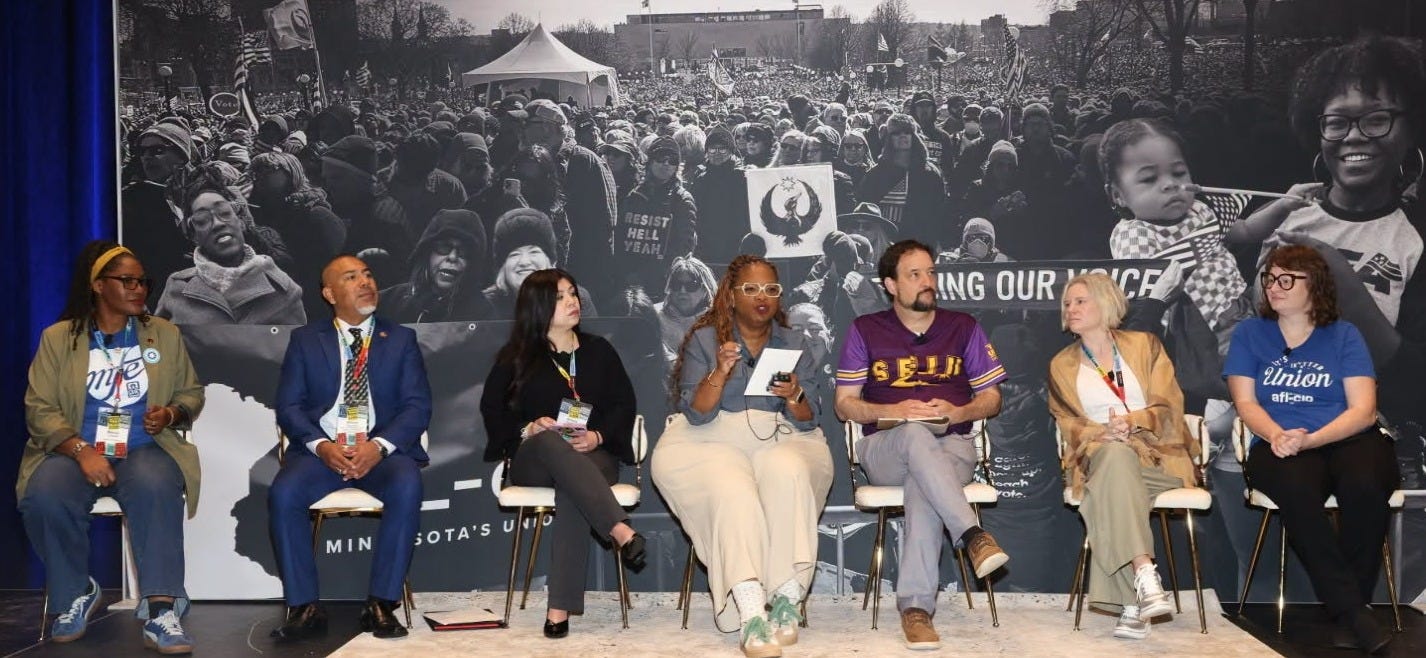
Last week, I had the chance to stand on a stage I wasn’t sure I’d ever stand on. For the first time in more than twenty years, SEIU was back at the AFL-CIO Constitutional Convention.
And I’ll be honest with you, walking into that convention hall felt a little like a family reunion. Some folks I hadn’t seen in years. Some disagreements that weren’t worth carrying anymore. A lot of stories. A lot of laughter. And underneath it all, a feeling that kept following me around all week:
Nobody makes it alone.
Not a worker organizing their workplace. Not a union fighting a bad boss. Not a movement trying to build enough power to change a country.
Nobody makes it alone.
And that’s why SEIU rejoined the AFL-CIO last year. Because working people cannot afford a labor movement that meets this moment in pieces. The truth is, the billionaire class figured something out a long time ago. They figured out how to work together. Across industries, politics, media, and institutions.
For decades, they have been organizing their power while working people have been forced to fight battle by battle, workplace by workplace, state by state. Issue by issue. And the results are all around us.
Working families grinding harder than ever. Yet somehow housing feels further away. Healthcare feels further away. Retirement feels further away. The promise that if you work hard and play by the rules, you’ll be okay feels further away.
That’s not an accident. That’s the result of power being weaponized against the many to benefit the few. And that’s why I spend so much time talking about three things:
Money. Power. Respect.
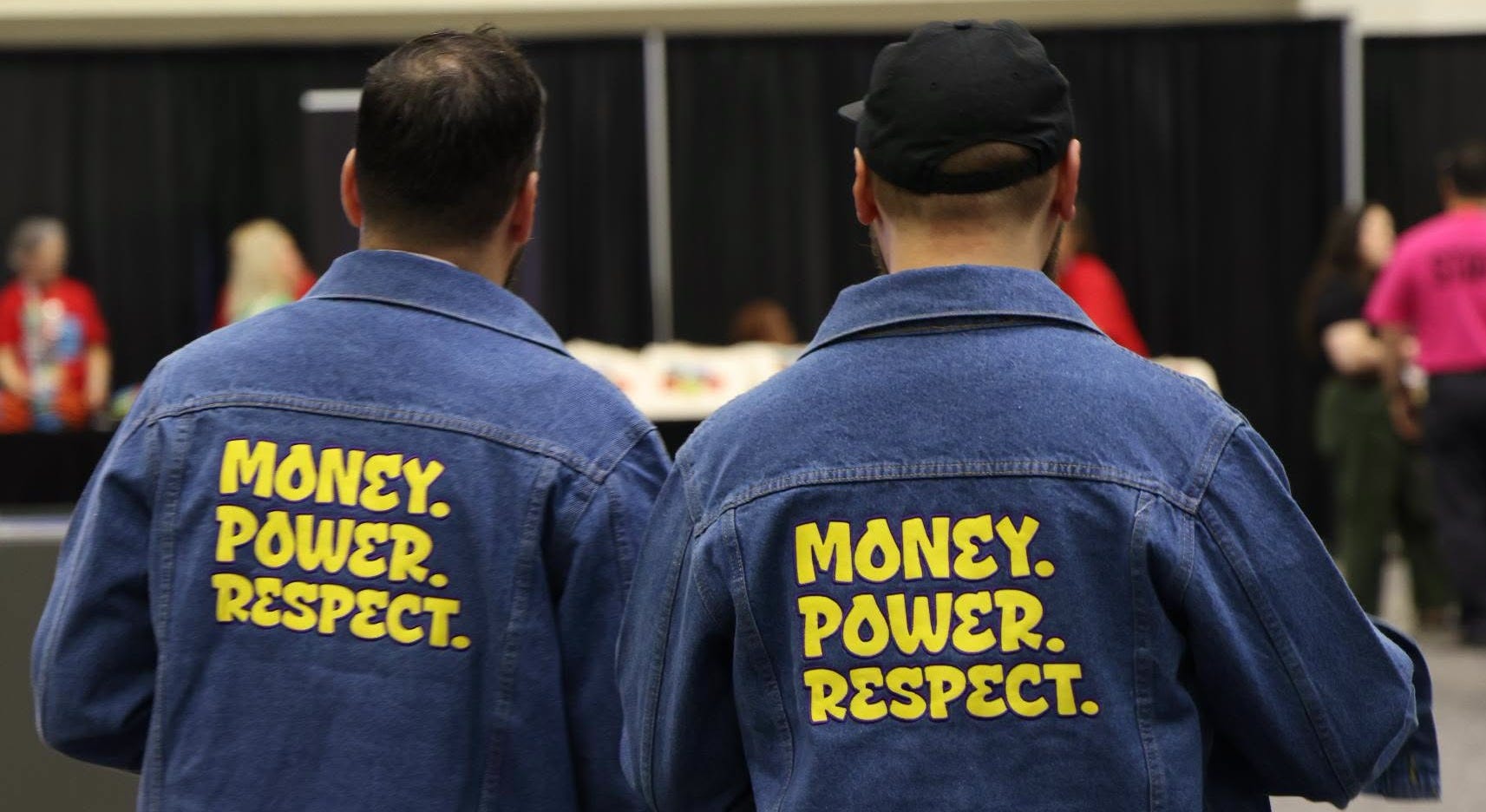
Because when you really listen to workers, that’s what almost every conversation comes back to.
Money. Not because people are greedy. Because people want to live.
Folks want to pay the rent without panic. They want groceries in the refrigerator, the ability to take their kid to the doctor, and the dignity of retirement someday.
Power. Because workers are tired of decisions being made about them without them. In every corner of this country, hardworking people know that power is having a voice on the job, a say over your schedule, and the ability to speak up without fear.
Power is democracy showing up not just at the ballot box, but in the places where we spend our lives.
And finally, this fight comes down to respect.
The respect of being treated as a human being. The respect of knowing your work matters. The respect of not being treated as disposable the moment someone thinks they can make a little more profit without you.
That is what workers are fighting for, that is what unions deliver, and that is what too many people in power are trying to take away.
Which is why no single union can meet this moment alone. The challenge we face today is not the challenge labor faced in 1935. Or 1965. Or even 1985.
Corporations have evolved. Billionaires evolved. The political project against working people evolved. And our movement has to evolve, too.
That is why we came back together with AFL-CIO. Because the only thing in this country’s history that has ever matched organized money is organized people. And the power working people need now cannot be built by any one of us alone.
Last week was also a reminder that labor itself is changing.
Liz Shuler is the first woman elected to lead the AFL-CIO. I am the first Black woman elected to lead SEIU. Those milestones matter.
Not because representation alone changes the world. But because it reflects something bigger. The labor movement is becoming more reflective of the workers who power it.
More multiracial. More diverse. More inclusive. More committed to organizing everyone who has been told they don’t belong.
And that’s a good thing. Because the future of labor will not be built by a few people sitting in boardrooms. It will be built by home care workers. Cleaners. Educators. Airport workers. Nurses. Drivers. Warehouse workers. Public service workers. And millions of others who are still waiting for their first union.
The workers who built the labor movement of the 20th century weren’t trying to preserve a system. They were trying to transform one.
Now it’s our turn. Because the question before labor is no longer how we protect the best version of the old world.
The question is whether we are willing to build the new one.
After spending last week surrounded by workers, organizers, and leaders from across this movement, I know this much:
Nobody makes it alone. And together, we’re capable of building something far bigger than any of us could build by ourselves.